
Compliance Monitoring
Water Quality, Dust and Soil Monitoring Services
Water Quality and Dust Compliance Monitoring Services
Vertic Tech offers comprehensive water quality and dust monitoring solutions tailored for construction, mining, industrial, and development projects across South Africa.
Our compliance monitoring ensures full regulatory compliance with the National Environmental Management Act (NEMA), National Water Act, National Dust Control Regulations (NEM:AQA), and SANS standards while protecting water resources, air quality and surrounding communities.
Using SANAS-accredited laboratories and proven field methodologies, we provide accurate, defensible data that supports Environmental Management Programmes (EMPs), Water Use Licence (WUL) conditions and sustainable operations.

What we do
WATER QUALITY MONITORING
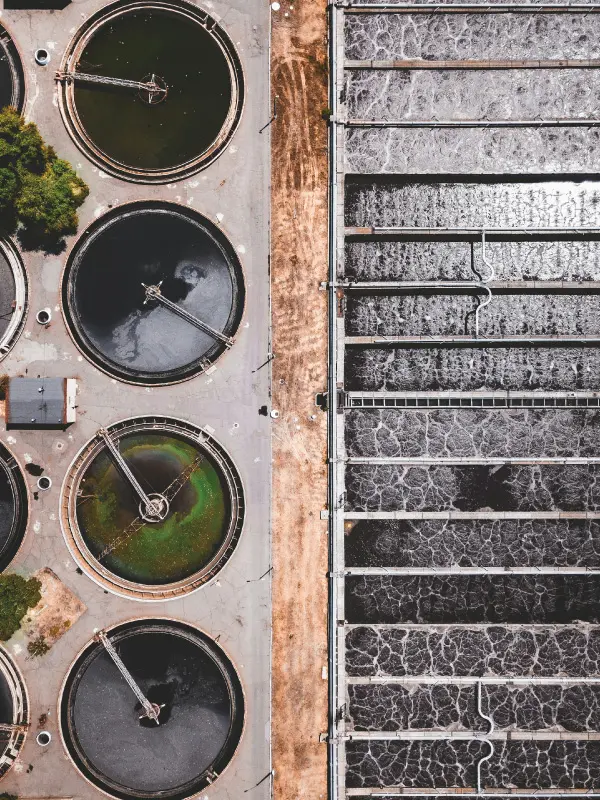
We design and implement robust compliancemonitoring programmes for surface water, groundwater, wastewater and drinking water sources to detect contamination early and demonstrate compliance.
- Sampling: Baseline (initial) and routine water samples are collected at key points (river points upstream/downstream, boreholes, discharge outlets).
- Analysis: Samples are sent to laboratories for analysis of parameters such as pH, turbidity, nutrients, heavy metals and microbiological indicators (e.g. E. Ccoli). These tests often follow SANS 241 (drinking water) and SANS 1028x series methods to ensure water is safe for intended use.
- Groundwater Monitoring: Wells are monitored over time to detect contaminant plumes and assess aquifer health.
- Effluent Testing: If permits allow discharge of treated water, continuous or periodic testing ensures effluent concentrations meet licence limits.
- Reporting: Data are tracked over time (e.g. through trend plots) and reported to authorities and stakeholders so any upward trends or exceedances can be addressed promptly.

Dust and Air Monitoring
Air-quality compliance monitoring for particulate matter is critical under South African air laws.
The NDCR (2013; updated 2026) sets legally enforceable dustfall limits (30-day average) of 600 mg/m²/day in residential areas and 1,200 mg/m²/day in industrial zones. Exceeding these action levels constitutes non-compliance.
Monitoring typically uses the standard “dust bucket” method: open buckets placed at boundary and receptor points collect dust for 30 days, then the mass is measured in a lab.
Vertic Tech’s dust monitoring services include:
- Dustfall buckets: Monthly deposition measurements at site fencelines and sensitive receptors (homes, schools, water bodies) using SANS 1137 bucket sampling.
- Particulate sensors: Additional monitoring of finer PM2.5 and PM10 concentrations, to identify high-emission events.
- Dust Management Plans: Development of site-specific plans to mitigate fugitive dust (e.g. watering, covering stockpiles, speed limits) and source identification to address exceedances.
- Compliance reporting: Regular reports (monthly/quarterly) with graphical trends, to demonstrate compliance or note any action levels reached.
Soil Quality Monitoring
Soil compliance monitoring assesses baseline conditions and detects contamination changes over time, especially important on mining and industrial or construction sites. Typical soil monitoring includes:
- Sampling Design: Collecting soil samples at baseline and at regular intervals using grid, stratified or targeted approaches. This ensures representative coverage of the site.
- Parameter Analysis: Laboratory tests for pH, nutrient levels, heavy metals (lead, arsenic, etc.), hydrocarbons (oil, fuel) and organic contaminants. These results are compared toSoil Screening Values or other remediation standards to flag any pollutant exceedances.
- Contaminated Land Investigations: If contamination is found, further investigations and risk assessments are done to determine necessary remediation actions. Soil monitoring then tracks the effectiveness of cleanup over time.
- Agricultural/Land Capability Assessments: In some projects, soil tests evaluate suitability for farming or rehabilitation.
- Long-Term Monitoring: Soil quality is monitored through closure plans or extended EMPrs to ensure compliance with licence conditions and to safeguard future land use.
What Compliance Monitoring Is
Compliance Monitoring is the systematic collection, analysis and reporting of environmental data to demonstrate that a project or operation is meeting the conditions of its environmental authorisations, licences and management programmes.
It forms the evidence base for both internal management and external regulatory reporting.
In practice this means scheduled sampling of surface water, groundwater, effluent, dust fall-out, particulate matter and soil, followed by laboratory analysis and interpretation against the applicable standards or licence limits.
The results are used to detect emerging problems early, confirm the effectiveness of mitigation measures and satisfy the reporting obligations set by competent authorities.
It may assess compliance with:
- Environmental Authorisation conditions
- EMPr requirements
- Licence and permit obligations
- Environmental method statements
- Construction environmental specifications
- Site environmental rules
- Approved rehabilitation plans
- Incident response procedures
- Client and lender requirements
Compliance Monitoring should not be treated as a tick-box exercise. It should identify the cause of a problem, the required corrective action, who must take responsibility and when the action must be completed.
Who Performs Compliance Monitoring
Compliance monitoring is typically performed by environmental consultants, field technicians and accredited laboratories. Vertic Tech notes use of SANAS-accredited labs to ensure reliable, defensible data. Many projects also appoint an on-site Environmental Control Officer (ECO) or environmental manager to implement monitoring programmes and respond to results. These professionals ensure that data collection meets legal standards so results will be accepted by regulators.
Benefits of Working with Vertic Tech
With our Compliance Monitoring clients receive defensible data, clear reports and practical recommendations.
We focus on programmes that are fit for purpose, cost-effective and fully aligned with licence and regulatory requirements.
Early detection of issues through reliable monitoring reduces the risk of non-compliance and supports informed environmental management decisions.
Get in touch
Get in touch with Vertic Tech via email or by giving us a call. Alternatively, fill in the contact form and we will get back to you.
Pretoria, Gauteng
067 300 9952